
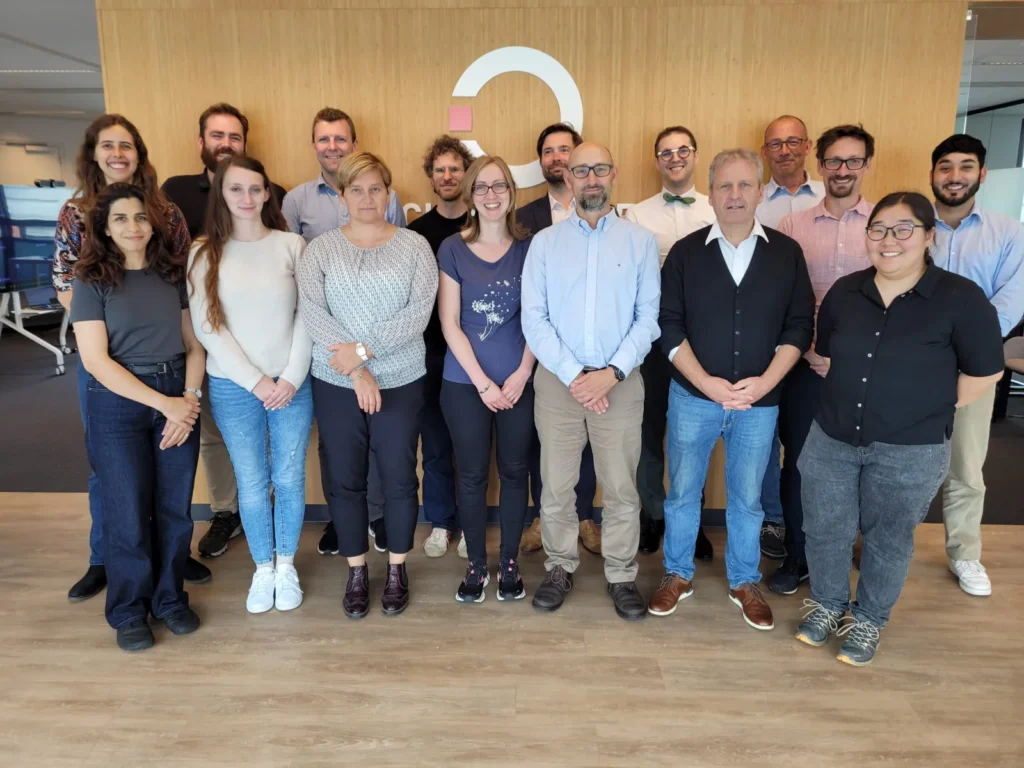
REEsilience is a project co-funded by the European Union under Horizon Europe. It began in July 2022 and its planned duration runs until June 2026. Inserma Anoia is a partner in the project.
The project at a glance
- Objective: to build a more resilient and sustainable supply chain in Europe for rare earth magnetic materials and products, and to open up new market opportunities for critical raw materials produced more sustainably.
- Consortium: 16 partners and 2 associated partners.
- Countries: Austria, Belgium, France, Germany, the Netherlands, Poland, Slovenia, Spain, Sweden and the United Kingdom.
- Coordination: Institute for Precious Metals and Technology (STI) at Pforzheim University, with Prof. Dr. Carlo Burkhardt.
Inserma’s role
Together with Mkango’s subsidiaries HyProMag Ltd and HyProMag GmbH, we develop methods to recover rare earths from end-of-life products: hard drives, loudspeakers and electric motors. The aim is to reduce the need for virgin raw materials and the environmental impact.
In June 2023 we received an award at the Premis UEA 2023 in Igualada. It recognised our work in automation and digitalisation, with a mention of our participation in REEsilience and SUSMAGPRO.
Project milestones
- July 2022: the coordinator speaks at the Salzburg Summit.
- October 2022: the partners take part in the REIA 2022 Annual Conference.
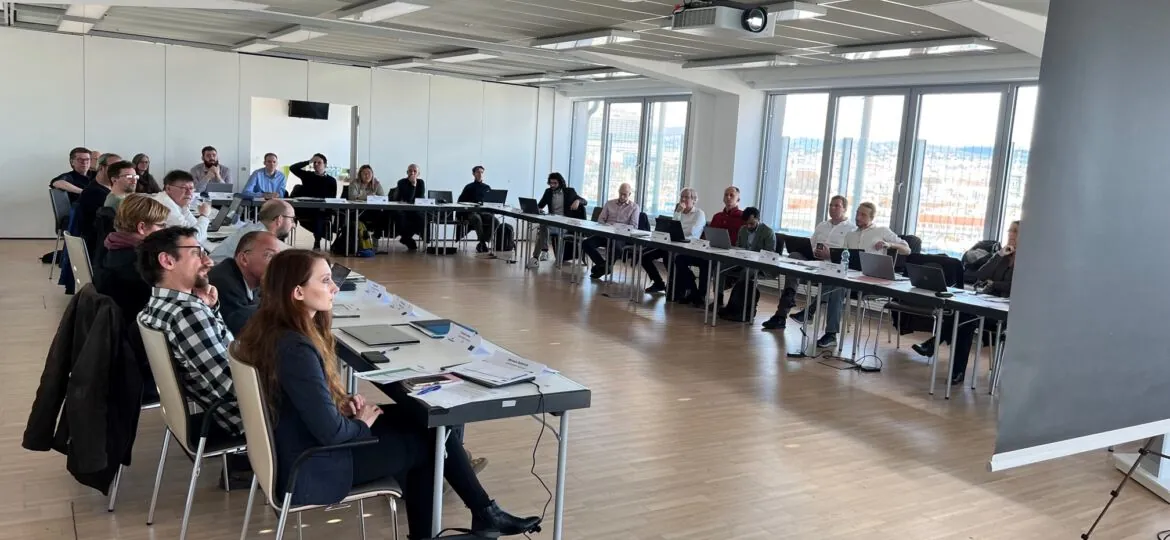
- February 2023: partner meeting in Vienna.
- April 2023: presence at Hannover Messe, at the European Commission’s Raw Materials Day.
- September 2023: consortium stand at REPM 2023 in Birmingham.
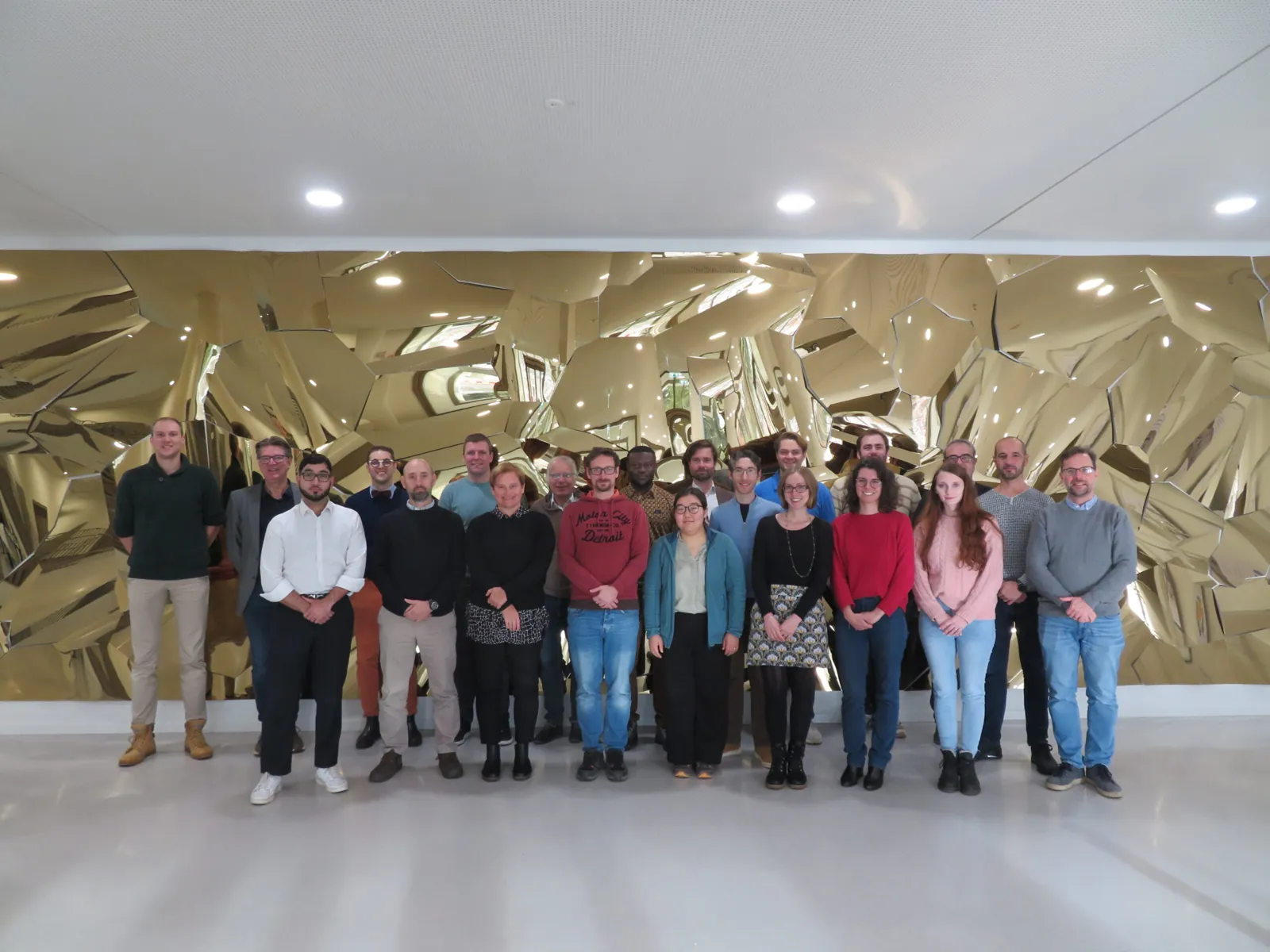
- November 2024: consortium meeting in Freiberg.
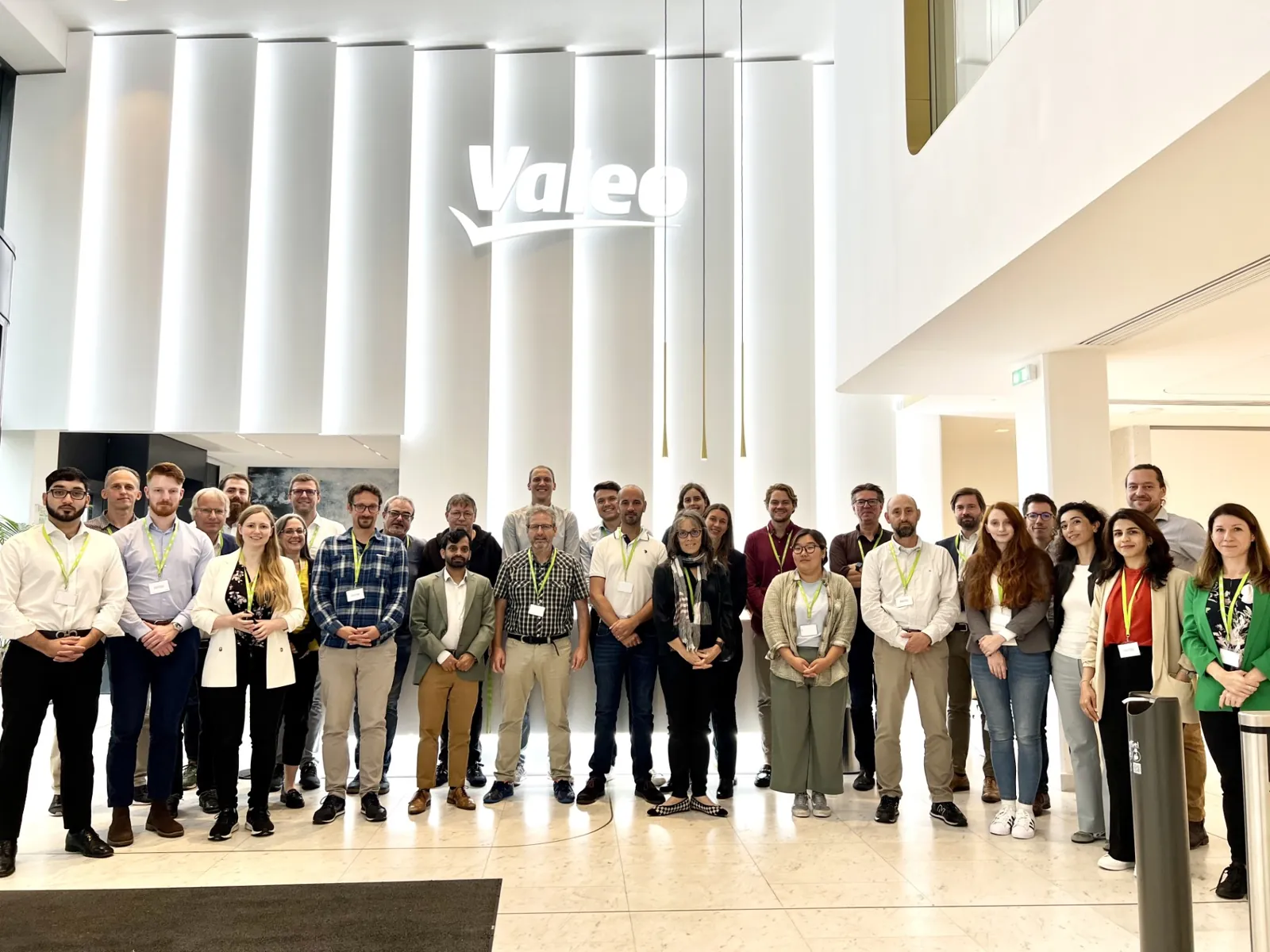
- September 2025: consortium meeting in The Hague.
- January 2026: opening of the Tyseley plant, led by the University of Birmingham, a partner in the project.
Publications and training
In January 2026 the project shared two scientific papers by its partners. The first analyses how contamination affects the recyclability of NdFeB magnets in short-loop processes. The second studies grain boundary engineering with Nd–Cu to make them easier to recycle and reprocess.
Pforzheim University also hosted the project’s first Design for Recycling Challenge. Its aim: to redesign components containing magnets so that they can be dismantled and recycled more easily.
See Inserma’s other European projects. View projects and R&D
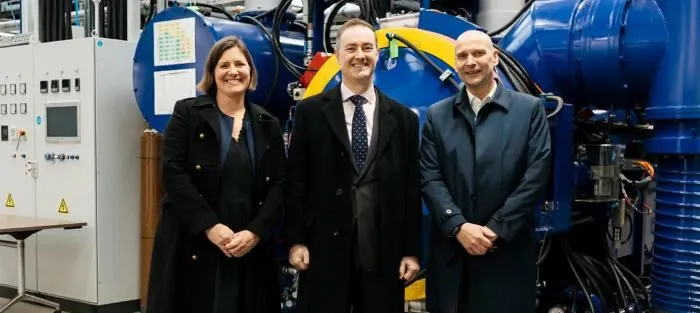 29 January 2026The University of Birmingham opens the UK’s first rare earth magnet recycling plant at Tyseley
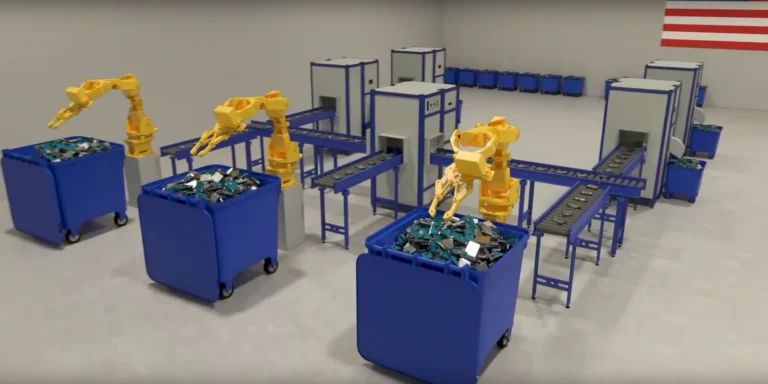 19 December 2025Inserma and CoTec Holdings: technology applied in the field
 3 September 2024Inserma signs an exclusive agreement with Maginito for automated magnet pre-processing